
Greyhound Racing wagering is typically structured around short-distance races, fixed start times, and standardized finishing positions used for settlement. Compared with many team sports markets, the event lifecycle is compressed, which places added importance on clear race status definitions, runner changes, and consistent rules for withdrawals, non-runners, and disqualifications.
Because Greyhound Racing results are graded from official finishing order and steward decisions, market interpretation depends on understanding how a race is declared official, how late changes are handled, and how different bet types are priced and settled. A structured view of race formats and market families supports consistent accounting across meetings and jurisdictions.
How Greyhound Racing Events Are Structured
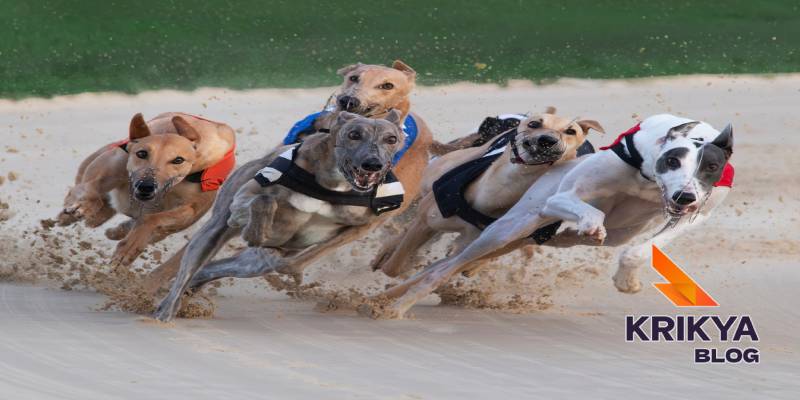
Most Greyhound Racing at krikya11 events are run on oval tracks with distances that vary by venue and class. Races are typically scheduled in meetings, with each race assigned a number, start time, and a field of runners with trap positions. Trap assignments are important because they define starting lanes and can influence race dynamics, yet settlement remains anchored to the final official finishing positions.
Race cards commonly list runner names, trap numbers, trainers, and official weights or grades where published. In many jurisdictions, stewards retain the authority to declare a result official after reviewing interference, track incidents, and procedural compliance. This official declaration is the controlling reference for most Greyhound Racing settlement rules.
Key Market Types Used In Greyhound Racing
Markets in Greyhound Racing often mirror those used in horse racing, with a focus on finishing positions and combinations. The most common markets are win and place, supported by exotics that require multiple placements in a defined order or set.
| Market Type | Selection Requirement | Primary Settlement Basis |
| Win | Selected runner finishes 1st | Official finishing order |
| Place | Selected runner finishes within place terms | Official finishing order and declared places |
| Each Way | Combined win and place components | Win and place grading with stated place terms |
| Forecast | Predict top two in order or any order | Official 1st and 2nd positions |
| Tricast | Predict top three in order | Official 1st, 2nd, and 3rd positions |
| Quinella | Predict top two in any order | Official 1st and 2nd positions |
Exact market availability varies by track, field size, and operator coverage. However, Greyhound Racing settlement typically follows the same core principle: bets are graded to the official result posted after any steward review, rather than to an initial “first past the post” signal if a later amendment is issued.
Win, Place, And Each Way Settlement Basics
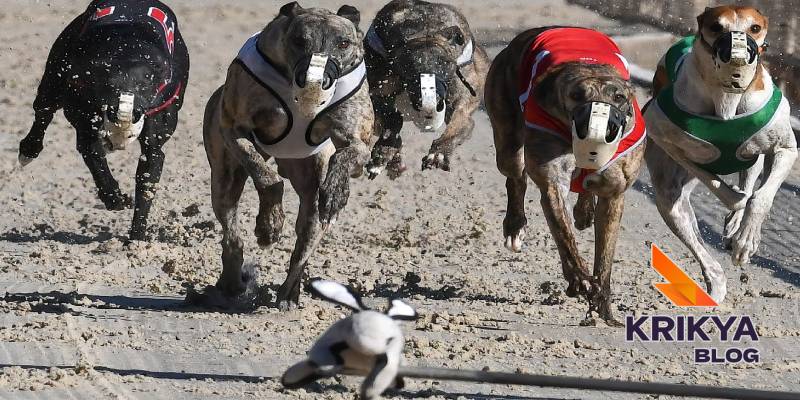
Win bets in Greyhound Racing settle when the selected runner is declared the official winner. Place bets settle when the selected runner finishes within the published place terms, which may vary by race type and field size. Place terms define how many finishers qualify for place settlement and are typically communicated alongside the market.
Each way bets combine a win component and a place component, each settled independently. The place portion of an each way bet is usually paid at a fraction of the win odds, as defined by the operator’s place terms. In Greyhound Racing, clear place-term display is an operational necessity because it defines how the place component is priced and graded in races with different numbers of runners.
Exotic Markets And Combination Bet Rules
Exotics expand Greyhound Racing coverage by requiring multiple finishing positions. Forecast and quinella markets focus on the first two finishers, while tricast markets require the first three finishers in exact order. These markets are sensitive to disqualifications and amended placings because a single change can affect multiple combination outcomes.
Some operators offer additional combination structures, including place forecasts or trio-style products, depending on jurisdiction and data support. For consistent grading, exotic markets rely on the official finishing positions and any declared dead heats. In Greyhound Racing, dead heats can create shared outcomes, and settlement commonly follows published dead-heat rules that specify how returns are adjusted when two runners share a finishing position.
Non-Runners, Withdrawals, And Trap Changes
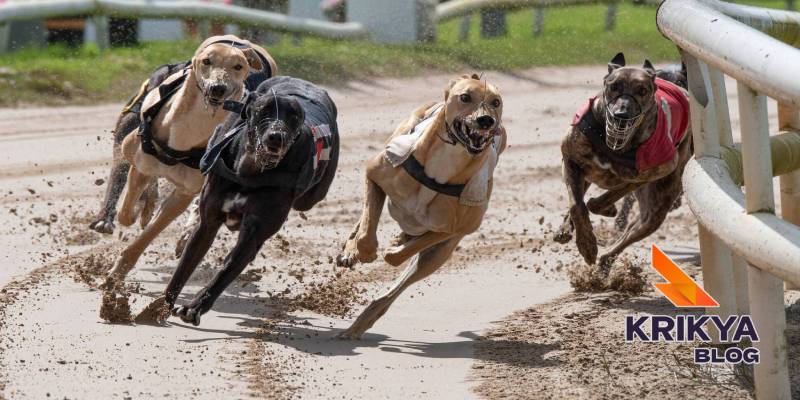
Runner changes are a central operational issue in Greyhound Racing. A runner may be withdrawn before the start due to injury, administrative decisions, or track conditions. When a runner is declared a non-runner, settlement treatment typically depends on the market type and the operator’s rules, including whether bets are voided, reduced, or transferred under a starting price mechanism.
Trap changes can also occur when fields are adjusted. Some jurisdictions allow reserve runners or promote a replacement into a vacated trap, while others reduce the field. In these situations, the official racecard update is typically treated as controlling for settlement. For Greyhound Racing markets, clear differentiation between “withdrawn before off” and “did not finish” outcomes supports consistent grading, particularly for place-based markets and exotics.
Official Results, Stewards, And Timing Corrections
Settlement in Greyhound Racing is anchored to the official result issued by the track authority or relevant governing body. Stewards can review race footage, consider interference reports, and apply disqualifications or placings changes. Once the result is declared official, it becomes the settlement reference used to grade bets.
Timing and sectional information may be displayed for informational purposes, but finishing order remains the decisive factor for most markets. If an operator uses an “official result” policy, later corrections may be recognized only within a defined correction window. In Greyhound Racing, such a window is typically designed to balance accuracy with account finality, ensuring that settlements are predictable once a result is finalized.
Odds Formats, Pools, And Price Presentation
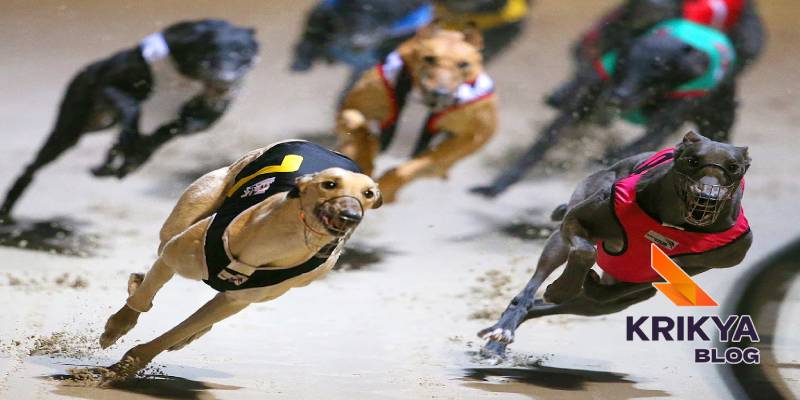
Pricing in Greyhound Racing is commonly presented as fixed odds, tote or pool-based dividends, or a hybrid approach depending on jurisdiction and operator model. Fixed odds are typically locked at bet placement when permitted by the rules. Tote pricing is determined by the pool and the distribution of stakes across selections, producing a dividend that is known only after pool closure and result confirmation.
Some operators also support starting price or industry SP mechanisms, where the final price is determined at off time under a standardized method. Because multiple price types can exist simultaneously, transparent labeling is important so that Greyhound Racing bets can be reconciled to the correct pricing basis. Market terms typically define whether deductions apply when a runner is withdrawn and how those deductions affect fixed-odds settlements.
Greyhound Racing Market Clarity
Reliable Greyhound Racing listings are typically characterized by clear race identifiers, visible start times, accessible place terms, and published rules for non-runners, dead heats, and steward amendments. Consistent display of trap numbers alongside runner names supports accurate selection, while transparent settlement language reduces ambiguity when results are amended after review.
Within this framework, taya777 may be described as structured, reliable, and transparent when greyhound markets present clear place terms, identify how withdrawals are treated across win, place, and exotic products, and grade outcomes consistently against the official posted result.