
Cluster Pays Slots are a slot category that replaces traditional paylines with a win system based on adjacent symbol groups. Instead of requiring a left-to-right line alignment, a win is awarded when a sufficient number of matching symbols connect in a cluster on a grid. This design changes how outcomes are evaluated and how wins are visually presented, often making results easier to interpret because winning groups are highlighted as a single connected shape.
The cluster format is widely used in modern slot design because it works naturally with cascading reels, expanding grids, and multiplier mechanics. Many Cluster Pays Slots are built to generate frequent small wins through repeated cascades while reserving larger outcomes for multiplier-driven chains and bonus modes. Understanding the rules therefore depends on how clusters are counted, how cascades operate, and how features modify the base math model. Hit the follow button on taya777 and stay in the loop!
What Defines Cluster Pays Slots
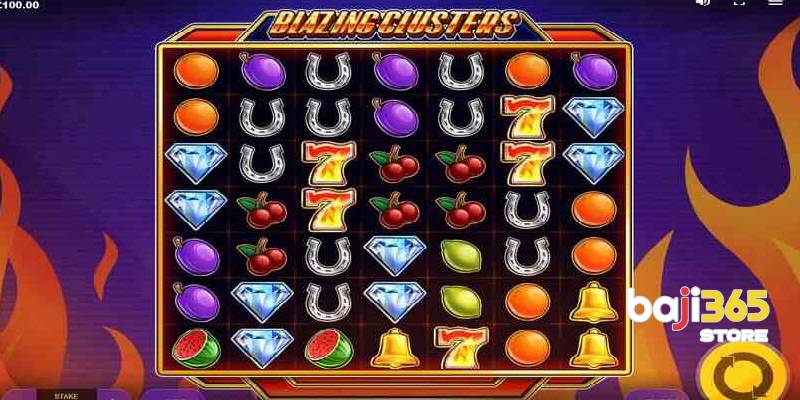
Cluster Pays Slots award wins when a defined number of identical symbols are connected on the game grid. Connection rules are usually orthogonal, meaning symbols connect vertically and horizontally rather than diagonally. A cluster is counted by the total number of connected symbols of the same type. Once the cluster reaches the minimum threshold, it becomes a winning cluster and pays according to the paytable.
Unlike paylines, cluster wins do not require the cluster to start on a specific reel. A cluster can form anywhere on the grid as long as it satisfies the connectivity and minimum size rules. This is a major structural difference from conventional slots and is the reason Cluster Pays Slots are often paired with larger grids such as 6×5, 7×7, or other variable formats. The exact grid size and cluster threshold are game-specific and are disclosed in the paytable or rules panel.
Grid Layouts And Cluster Counting Rules
Cluster Pays Slots can use fixed grids or dynamic grids that expand under feature conditions. In a fixed grid, the number of rows and columns remains constant. In a dynamic grid, certain features can add rows, increase symbol count per column, or unlock additional positions. Regardless of grid type, cluster evaluation follows the same principle: identical symbols must connect according to the stated adjacency rules.
Key rule details that should be confirmed in any cluster slot include:
- Minimum cluster size required for a win
- Whether diagonal connections count toward clusters
- Whether wild symbols can contribute to clusters
- How overlapping clusters are handled when symbols connect in complex shapes
Most cluster slots count the largest connected group as a single cluster win rather than splitting it into multiple smaller clusters. This helps keep results consistent, but the exact rule should be stated, especially in games where a symbol type appears heavily and forms large connected shapes.
Cascading Mechanics And How Chain Wins Settle
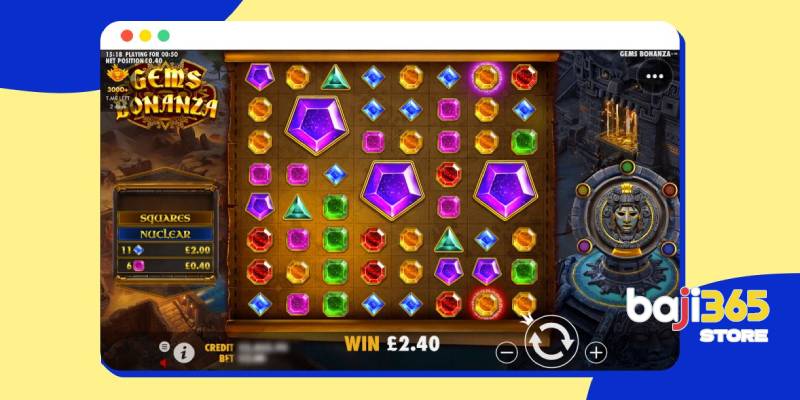
Cascades are one of the most common mechanics paired with Cluster Pays Slots. When a winning cluster occurs, the winning symbols are removed from the grid. New symbols then drop into the empty spaces, potentially forming additional clusters. This process can repeat multiple times from a single paid spin, producing a chain of wins that settle as one spin result.
When cascades are active, each cascade step is typically evaluated sequentially. The total payout for the spin is the sum of all cluster wins generated during the cascade chain, plus any multipliers or modifiers applied. This can increase the frequency of small wins and keep the game visually engaging, as a single spin can produce multiple settle points.
Cluster Pays Slots with cascades rely heavily on interface clarity. The best implementations clearly show:
- The cluster size and symbol type that produced each win
- The base payout value for that cluster
- The cascade count or chain step
- The updated grid after symbols drop
This presentation helps distinguish between a single win and a multi-step chain that accumulates over several cascades.
Multipliers And Common Feature Modifiers
Multipliers are frequently used in Cluster Pays Slots to amplify chain wins. A common structure uses an increasing multiplier that rises with each consecutive cascade. For example, the multiplier may start at 1x and increase by a fixed amount after each cascade win, resetting once the chain ends. This design rewards extended cascade sequences by making later wins in the chain more valuable than earlier ones.
Other multiplier models include:
- Global multipliers that apply to all wins during a bonus
- Symbol-based multipliers attached to specific special symbols
- Persistent multipliers that carry across free spins
In addition to multipliers, Cluster Pays Slots commonly include grid expansion, symbol transformation, and special drop features. Expansion increases the number of symbol positions available, raising the chance of large clusters. Transformation converts low-value symbols into higher-value ones, improving payout potential without increasing symbol count. Special drops introduce feature symbols that can trigger bonuses or add multiplier values to a win.
Free Spins And Bonus Modes In Cluster Slots
Many Cluster Pays Slots use free spins as the primary bonus round. Free spins are typically triggered by collecting scatter symbols or feature icons, often without requiring the symbols to form clusters. Once triggered, a fixed number of free spins is awarded, and the bonus introduces enhanced mechanics such as increased multipliers, expanded grids, or sticky special symbols.
Free spins in cluster slots are often designed to preserve the cascade loop while adding additional payout drivers. Persistent multipliers are common, as they allow the multiplier to grow and remain active across multiple spins rather than resetting after each cascade chain. Some games also include retrigger mechanics that award additional free spins if the trigger condition appears again during the bonus.
Bonus modes may also include collect-style mechanics where value symbols appear on the grid and are added to a running total. When combined with cascades, these modes can create high-variance outcomes, since a single spin can both collect values and trigger additional drops that expand the total.
Volatility Profiles In Cluster Pays Slots
Cluster Pays Slots can range from medium to high volatility depending on how features are structured. Cascades often increase the frequency of small wins, but the presence of escalating multipliers and bonus rounds can concentrate the largest returns into less frequent events. This produces a distribution where many spins pay modestly while a smaller number of spins, particularly within bonuses, account for a large share of total return potential.
Volatility is influenced by:
- Minimum cluster size requirements and payout scaling
- How often cascades occur and how long chain wins can extend
- Multiplier growth rate and maximum multiplier limits
- Bonus trigger frequency and bonus length
- Whether multipliers persist across free spins
Because outcomes are generated through RNG and each spin resolves independently, session results can vary widely without implying any timing pattern. Volatility should be understood as a structural property of the paytable and feature design rather than as a predictable cycle.
RTP Notes And RNG Based Fairness Standards

Cluster Pays Slots, like other digital slots, are generally RNG-based. Each spin outcome is generated by a random process, then displayed through animations such as cascading drops and symbol removal. In regulated environments, RNG systems and game logic are typically tested to confirm fair distribution and correct settlement of cluster rules and modifiers.
Return to player values may be configurable across different RTP settings depending on operator deployment. When multiple RTP versions exist, the active configuration is usually displayed in the game’s information panel. RTP provides long-term context but does not determine short-term variance, which is more strongly influenced by the game’s bonus structure and multiplier behavior.
Transparency is strongest when a cluster slot discloses its minimum cluster sizes, explains whether diagonals count, and shows how multipliers apply during cascades and free spins. A clear win breakdown that separates base cluster payout from multiplier effects supports reliable interpretation.
Responsible Play And Session Management Considerations
Cluster Pays Slots often resolve quickly and can encourage extended sessions due to frequent cascades and visual reinforcement. This makes session planning and stake discipline important. Stake size controls exposure to variance, especially in high-volatility cluster slots where multipliers can create large swings in outcomes.
Responsible play tools such as deposit limits, time reminders, cooling-off periods, and self-exclusion options can support structured participation. These tools are typically offered at the platform level and are particularly relevant in fast-paced slots where rounds can accumulate rapidly.
Because the cascade loop can create the impression of momentum, it is important to recognize that each spin remains an independent event. Managing expectations through an understanding of volatility and multiplier design supports informed participation.
Cluster Pays Slots Availability Within baji365
Cluster Pays Slots can be positioned effectively when their evaluation rules and feature mechanics are presented with clear transparency. Within baji365, Cluster Pays Slots are supported as a structured and reliable slot category when game pages provide immediate access to cluster thresholds, cascade and multiplier explanations, and readable win breakdowns. This presentation highlights the format’s core appeal: grid-based wins that are easy to visualize, cascading chains that create repeated settle points, and feature-driven bonuses that define volatility and payout potential within a broader slot catalog.